Turtle and Tortoise Care Guide
Turtle and tortoise care basics from Amy's Ark Exotic Animal Rescue in Carson City, NV: the difference between aquatic turtles and tortoises, UVB, heat and hygiene.
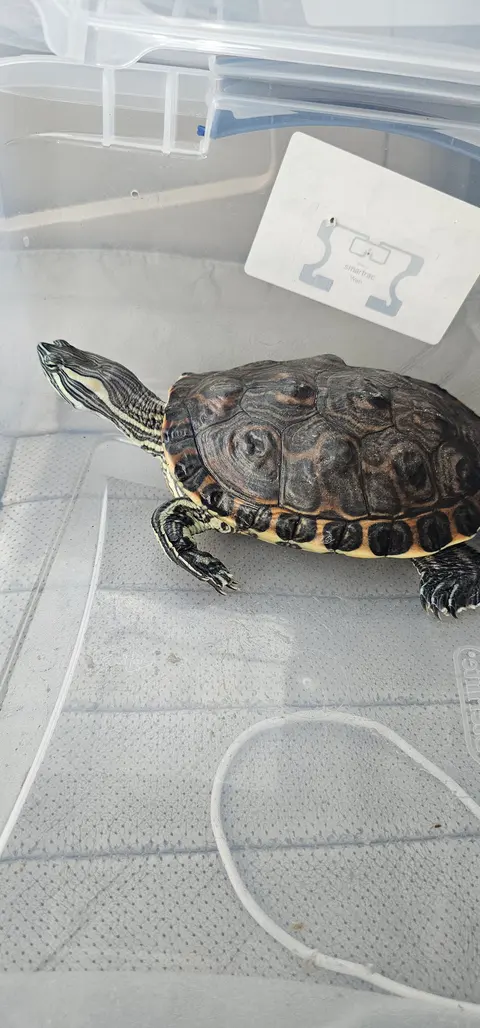
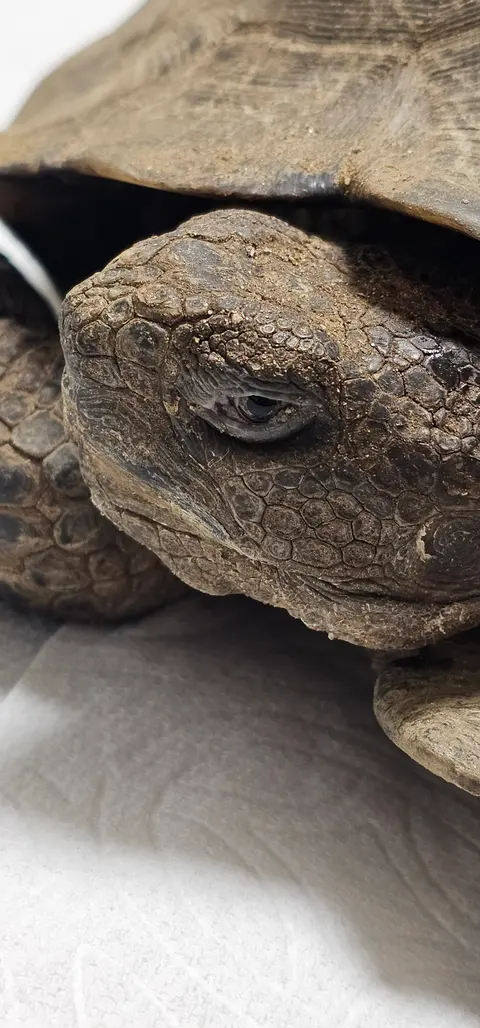
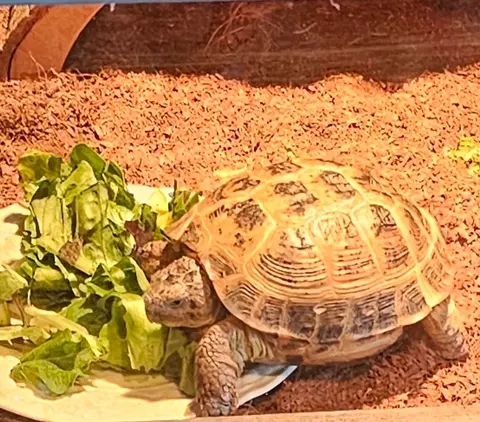
The Ark cares for both turtles and tortoises. Stinky Pete is a painted turtle finishing his quarantine. Dana is a tortoise who retired to the Ark from the Children's Museum in Carson City. Morla, a desert tortoise, was found in the road and is under veterinary care.
This is a general guide. Care varies by species, so look up your animal's exact species and find an exotics veterinarian.
Turtles and tortoises are different
- Aquatic turtles, like painted turtles, spend much of their time in water. They need a large tank with clean, filtered water and a dry basking area.
- Tortoises live on land and are not swimmers. They need a dry enclosure, with only a shallow water dish they can safely climb into.
Heat and light
Both need a warm basking spot and UVB lighting to stay healthy. Without proper UVB and calcium, shelled reptiles can develop serious bone and shell problems.
Diet (general)
Diets vary widely. Many aquatic turtles eat a mix of commercial turtle food, greens and protein. Many tortoises eat mostly leafy greens and grasses. Research your species.
Long-term commitment
Turtles and tortoises can live a very long time. Plan for many years of care, and for growth.
Hygiene
Reptiles can carry salmonella. Wash your hands after handling them or their habitat, and supervise children.